IceShoreRadar

IceShore Radar AI × Software Maintenance

Building software and maintaining it go hand in hand, and a business depends on both.
As more software is built with AI agents, we bring you news each morning to help you meet the challenges of maintaining it.
Here, we publish only information whose source can be checked: announcements from government agencies and companies, reporting by news organizations, and research.
Provided by IceShore

[UPDATE] Today's top story

58%

had no human input

58% of GitHub Copilot's pull requests got no human input along the way, study says

Researchers studied 7,581 pull requests written by GitHub Copilot's coding agent with public session logs. In 58%, no developer stepped in while the agent worked; when developers did, the exchange was brief, a median of two rounds. After the first intervention, the agent's work trail dropped significantly, by 20.8 iterations.

・ US university's Abu Dhabi campus · preprint

Source: NYU Abu Dhabi (arxiv.org)

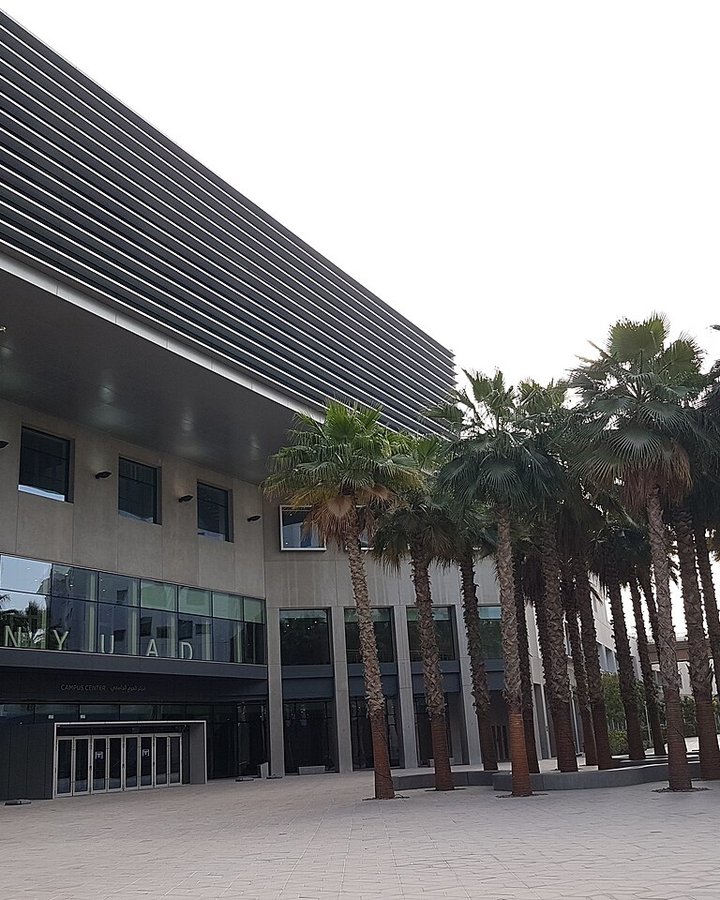
Photo: Andresmh / Wikimedia Commons, CC0

[UPDATE]

48 of 118

failures from stale docs

Six-week log of 118 AI agent failures finds stale docs the top cause, at 48

A single-author case study tracked the author's own markdown repository edited daily by three AI agent tools under one rule set. Of 118 recorded failures, stale documentation was the largest class, at 48. An AI-run audit found about half of known stale statements, with at least 93% of its findings correct, and the author urges retesting old rules.

・ Independent researcher · preprint

Source: Hassan Hassanzadeh Aliabadi (arxiv.org)

Photo: Breather breather / Wikimedia Commons, CC0

[UPDATE]

18%

more tests passed

Multi-agent AI that ports whole codebases passed 18% more tests than prior method

CodeMeepo, from an arXiv preprint, splits a whole-repository language migration among eight specialized AI roles and checks each milestone against a fixed test oracle the agents cannot edit. Across nine projects and three language pairs it passed 18% more tests than a leading multi-agent baseline using the same model.

・ US public university · preprint

Source: University of California, Irvine (arxiv.org)

Photo: TFNorman at English Wikipedia / Wikimedia Commons, Public domain

[UPDATE]

Blitzy ×legacy overhaul

AI overhaul of old software

Blitzy announces a collaboration with Microsoft to modernize legacy software

Blitzy, which builds an AI platform for large company codebases, announced a collaboration with Microsoft. Blitzy says its platform maps older, poorly documented systems, then hands the work to many AI agents that build from a specification a person has approved. It will also bring Microsoft's GitHub Copilot and Azure services into its platform.

・ US tech news site · company announcement

Source: Blitzy (sdtimes.com)

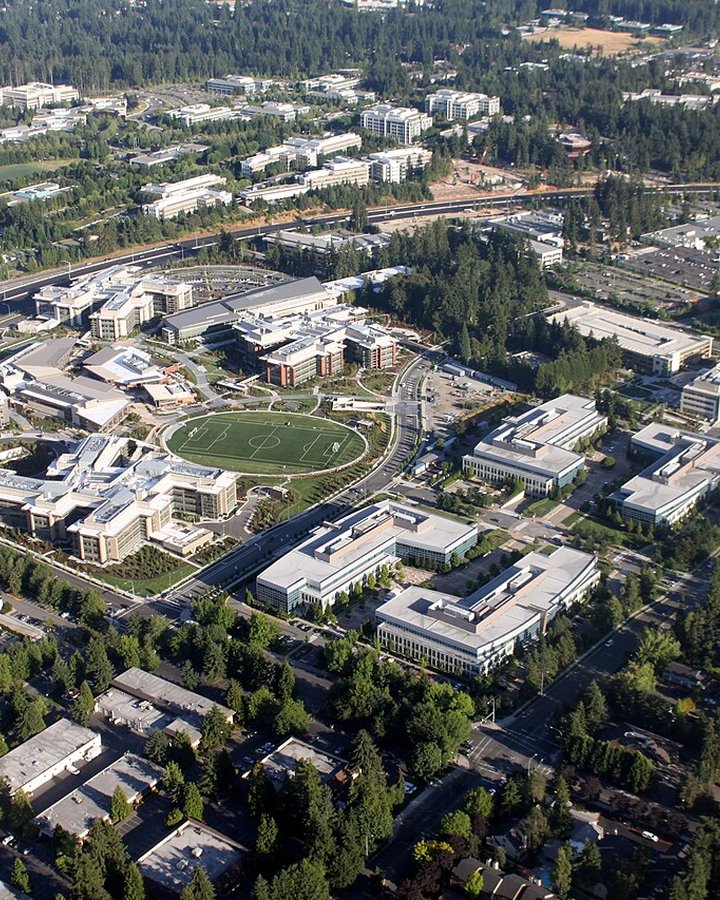
Photo: Inside a building on Microsoft's campus in Redmond, Washington, April 2010. Wonderlane / Wikimedia Commons, CC0

[UPDATE]

0 of 42

setups that cut cost

Trimming coding agents' history saved money in zero of 42 tests under cache-based pricing

Researchers ran 9,400 experiments with two coding agents to test 42 ways of deleting old conversation history to save money. Under flat per-token pricing, estimated costs fell in 26 of the 42 setups. Under pricing that discounts cached input, none lowered costs, because trimming breaks the cached prefix and agents often re-fetched what was deleted.

・ Norwegian research institute · preprint

Source: Simula Research Laboratory (arxiv.org)

Photo: Bair175 / Wikimedia Commons, CC0

[UPDATE]

15.6%

failures from wrong expected results

AI-written unit tests: 15.6% of failures came from wrong expected results

An arXiv preprint analyzed 14,320 Java unit tests written by four AI models under four prompting styles. Incorrect assertions caused 15.6% of test failures, and the tests rarely checked null, negative or empty inputs, showing a bias toward the happy path. The gaps appeared even in simple functions.

・ Finnish university · preprint

Source: Aalto University (arxiv.org)

Photo: Balcer~commonswiki / Wikimedia Commons, CC BY 2.5

[BREAKTHROUGH]

15–45 min1.8 sec

Time to first mitigation

Google research design cuts first mitigation in simulated outages to 1.8 seconds

Google published a research reference design for AI agents that respond to production outages on their own. In simulated Black Friday sale outages, the time until the first mitigation fell from 15–45 minutes to 1.8 seconds. Permanent changes to how the agents are organized still require sign-off from site reliability engineers.

・ US company · tech blog

Source: Google (developers.googleblog.com)

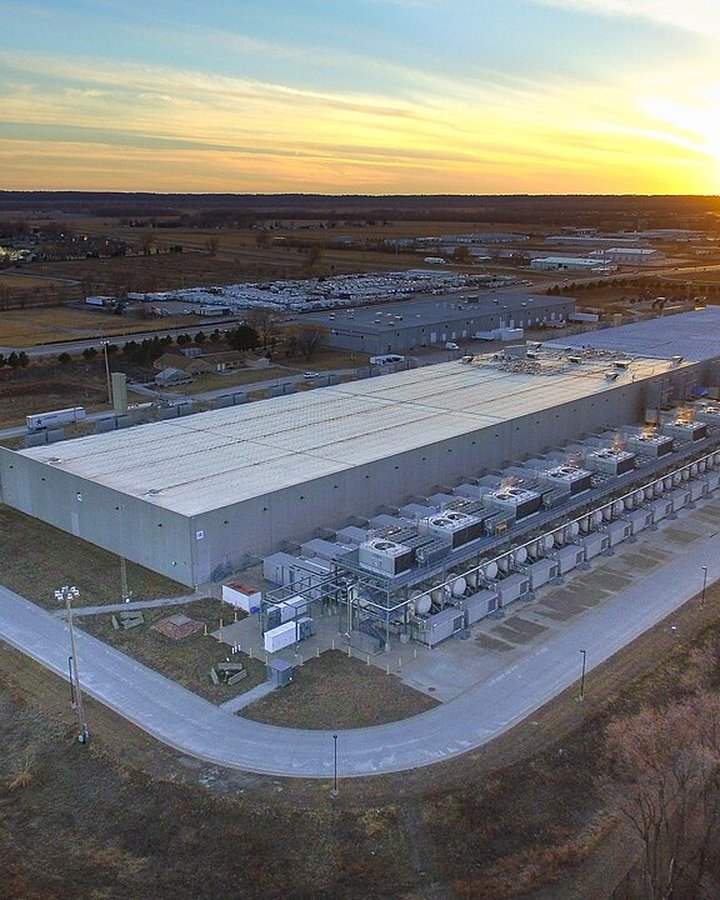
Photo: Google data center in Council Bluffs, Iowa, February 2017. Chad Davis / Wikimedia Commons, CC BY 2.0

[UPDATE]

AI approval counts

Toward reviews required to merge

GitHub now lets Copilot approvals count toward required pull request reviews

GitHub made Copilot approvals generally available for its AI code review. When admins turn the feature on, an approval from Copilot counts toward a repository's required approvals. Adding commits after Copilot signs off cancels its approval, so a fresh review is needed.

・ US company · changelog

Source: GitHub (github.blog)

Photo: Microsoft, GitHub's parent, Redmond campus, August 2009. Jelson25 / Wikimedia Commons, Public domain

[UPDATE]

2 tries max

Attempts to fix failed test runs

Inkitt has AI agents carry small code fixes all the way to a draft pull request

In a post on its engineering blog, Inkitt described a system in which AI agents take small, low-risk code changes from the initial request to a draft pull request. Steps such as checking the work and repairing failed automated test runs get at most two attempts each. A person still has to mark the pull request ready for review and approve it.

・ Canadian tech news site · report

Source: Inkitt (infoq.com)

Photo: A coworking space in Hull, England, May 2025. Influence Media / Wikimedia Commons, CC BY 4.0